
I will admit it: for years I treated the Baldur’s Gate 3 ranger like a spare umbrella kept in the trunk of a car — technically useful, rarely remembered, and usually ignored until the weather turned truly awful. The class has a reputation as one of the weakest picks in the game, and among custom characters it sits near the bottom of popularity charts, ahead of only the cleric in some conversations. Many players do not even keep a ranger in the party until a certain Rashemi berserker stomps into Act 3 with a miniature companion and a lot of opinions. But after revisiting the class in 2026, with most builds long since solved, I think that reputation is doing the ranger dirty. The Baldur’s Gate 3 version is not a one-to-one copy of its tabletop inspiration, and its three subclasses — Hunter, Gloomstalker, and Beastmaster — each bend the class in a different direction. Some are flashy, some are subtle, and one is quietly carrying the whole class on its back.

The Three Ranger Subclasses at a Glance
The ranger chooses its specialization at level 3, and that choice determines much of how the character plays. The Hunter is the stereotypical woodland survivalist, built around ranged attacks and crowd control. The Gloomstalker is an ambusher, front-loading stealth, darkvision, and extra damage into the opening round. The Beastmaster brings an animal companion that acts on its own initiative, which is a major change from the tabletop version that gave the subclass its bad name.
| Subclass | Main Strength | Main Weakness | My Rank |
|---|---|---|---|
| Gloomstalker | Burst damage, stealth, front-loaded features, multiclass synergy | Later features are good but less spectacular | 1 |
| Beastmaster | Utility, versatility, a second body on the battlefield | The ranger itself gains little | 2 |
| Hunter | Reliable damage, strong late AOE attacks | Bland choices and late payoff | 3 |
Hunter: Effective, But It Feels Like a Menu With One Dish
The Hunter starts with a choice between Colossus Slayer, Giant Killer, and Horde Breaker. Colossus Slayer adds extra damage to injured creatures, Giant Killer lets the ranger retaliate against large foes, and Horde Breaker allows an extra attack against two adjacent enemies. On paper, that is a nice spread. In practice, I almost always take Colossus Slayer because it keeps working across the entire game. The Hunter keeps offering choices at level 7 — advantage on saves against fear, reduced opportunity attacks, or Multiattack Defense — and again, one option tends to stand out. Multiattack Defense is the practical pick because it makes repeated enemy hits less reliable.
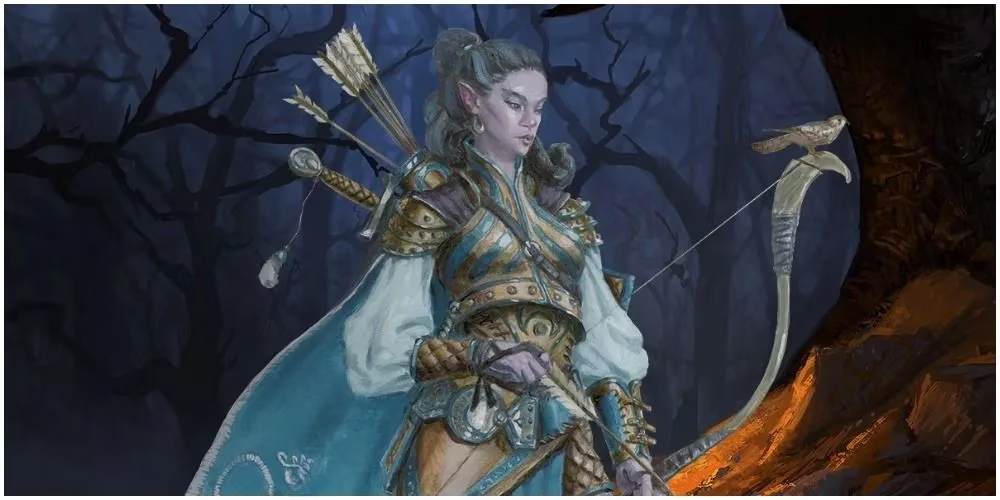
At level 11, the Hunter finally gets Volley and Whirlwind, two unique attacks that turn normal weapon attacks into area attacks with no usage limit. That is genuinely strong, especially when combined with the ranger’s other damage bonuses. The problem is timing. By the time those abilities arrive, spellcasters are already throwing around Cone of Cold and Cloudkill, and the Hunter’s late-game fireworks feel less like a capstone and more like a polite applause after the main act. The Hunter is not bad. It is just predictable, like being handed a restaurant menu where every dish is chicken prepared in a slightly different shape.
Gloomstalker: The Coiled Spring Under the Leaf
The Gloomstalker is the subclass that made me stop apologizing for playing a ranger. It is the only ranger subclass with an extended spell list, and most of its best features arrive at level 3. Dread Ambusher lets the ranger hide as a bonus action and make an extra attack on the first turn of combat, and that attack deals extra damage. It also grants 80 feet of darkvision and the ability to turn invisible in shadows. That is an absurdly front-loaded package. In the early game, the Gloomstalker feels like a coiled spring hidden under a leaf — you do not see it until it has already launched.
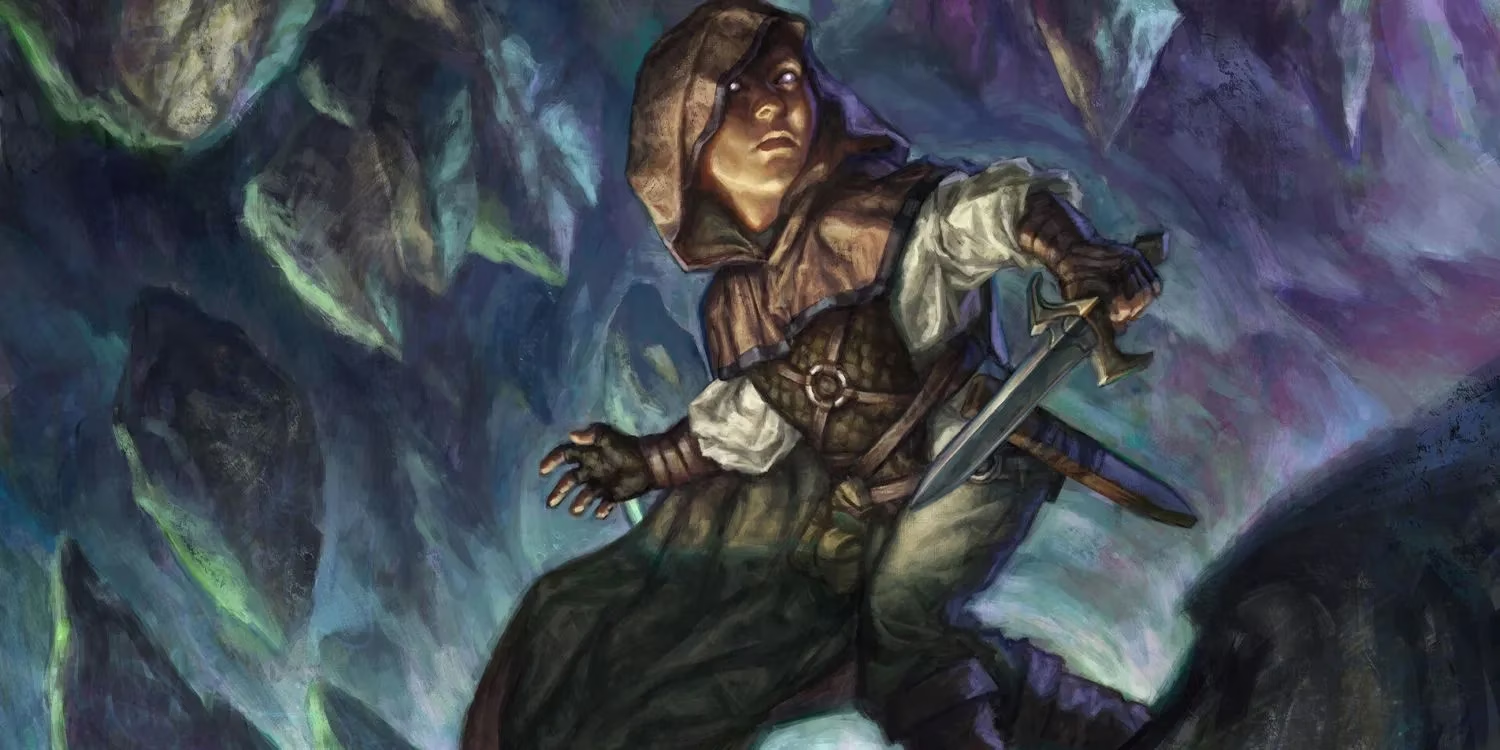
The later features are not throwaways either. Proficiency in Wisdom and Intelligence saving throws matters more and more as the campaign moves into its stranger, mind-flayer-heavy chapters. The ability to take an extra attack once per turn after a miss is a safety net that keeps damage flowing. The Gloomstalker also multiclasses beautifully with rogue, and that is a big part of why I rank it first. It needs very little investment in ranger to deliver its best tricks, so it slots into builds without demanding the whole character. For a pure ranger, it is still excellent; for a multiclass experiment, it is one of the best pieces on the board.
Beastmaster: A Second Toolbox That Works While You Stand There
The Beastmaster deserves special mention because it is the subclass most changed from its tabletop origins. In the 2014 Player’s Handbook version, commanding the animal companion cost an action, which made the subclass feel like a tax on your turn. In Baldur’s Gate 3, the companion acts on its own initiative, independent of the ranger. That single change redeems the entire concept. The beastmaster can choose from five companions — bear, boar, dire raven, wolf, and wolf spider — and can swap them out from day to day. Each has unique abilities, and the companion scales with extra hit points, attacks, damage, and actions at higher levels.
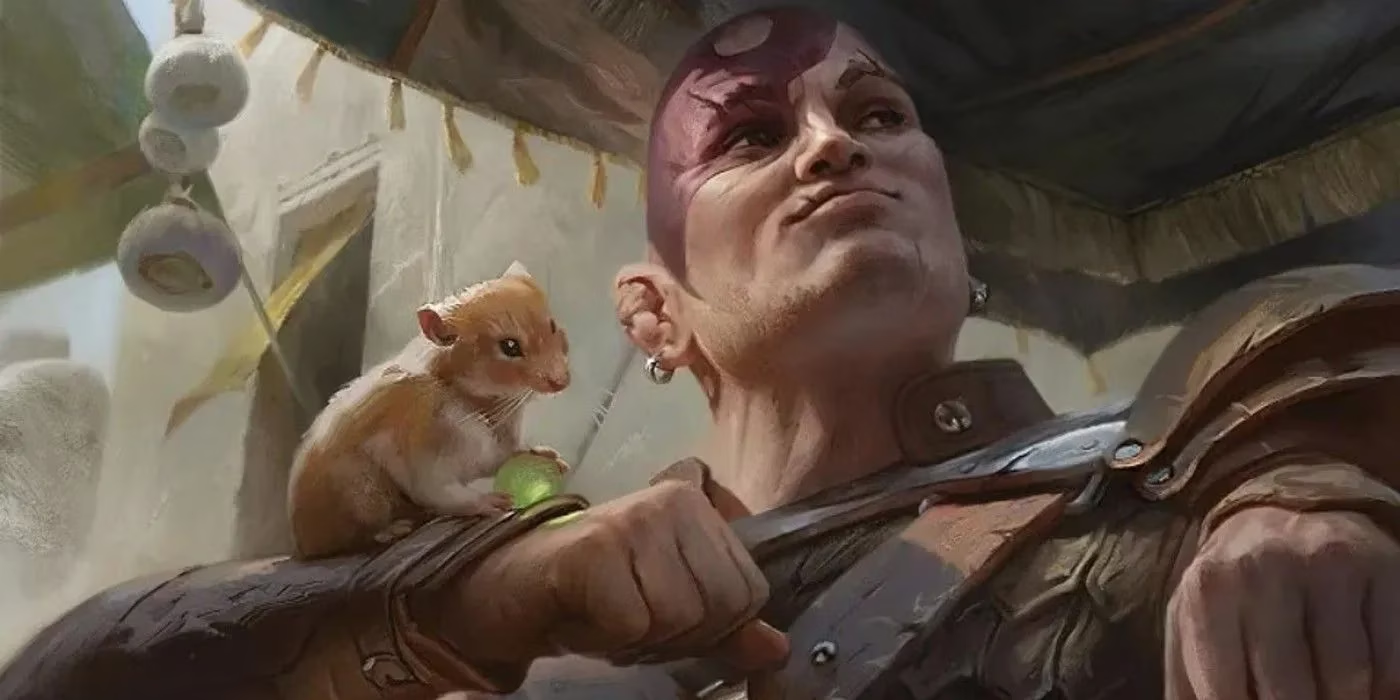
The utility here is real. A raven can create darkness, a wolf can grant advantage to allies, and simply having another creature on the battlefield tilts action economy in the party’s favor. The catch is that the ranger character does not receive much directly. While the companion is active, the Beastmaster is a powerful follower-manager, but the ranger is objectively weaker than the Hunter or Gloomstalker in personal output. It is like carrying a second toolbox that keeps working while you stand there holding the first one. I rank it second because versatility matters, especially in a game full of odd encounters, but it is not the damage king.
My Final Ranking
-
🥇 Gloomstalker — the clear winner for damage, stealth, and multiclassing. It gets more abilities earlier and performs at almost every level.
-
🥈 Beastmaster — the highest utility and versatility thanks to its swappable animal companions, even if the ranger itself lags behind.
-
🥉 Hunter — solid and reliable, but the choices often feel like an illusion, and its best area attacks arrive late.
In 2026, with the game’s major build discussions long settled, I still think the ranger is underestimated. The class is not the weakest choice at the table; it is a victim of first impressions and a tabletop reputation that does not fully apply here. The Gloomstalker is the subclass I would recommend to anyone who wants a ranger that feels dangerous from the first turn. The Beastmaster is for players who love tactical flexibility and do not mind sharing the spotlight with a bear. The Hunter is for someone who wants a straightforward archer with a few late-game surprises. None of them are a spare umbrella. Played well, the Baldur’s Gate 3 ranger is more like a lockpick hidden in a quiver — easy to overlook, and exactly the right tool when the door will not open.