
As a gamer who's been through the trenches of early access launches, I can tell you, it's a wild ride. Sitting here in 2026, reflecting on the landscape, the path Larian Studios is charting for their newly revealed Divinity project feels both familiar and fraught with new pressures. They're not the underdog anymore, you see? That changes everything. My sources, including a revealing chat with the studio's CEO Swen Vincke, confirm they're aiming for an early access release, but they're holding their cards close to their chest. "We want to put it in early access, and that's our goal," Vincke said, but he was quick to add, "We're not confirming it because there's always a risk that the world changes." It's that classic developer caution, but now it's layered with the weight of expectation that Baldur's Gate 3's monumental success brought them. Honestly, it's a whole different ballgame.
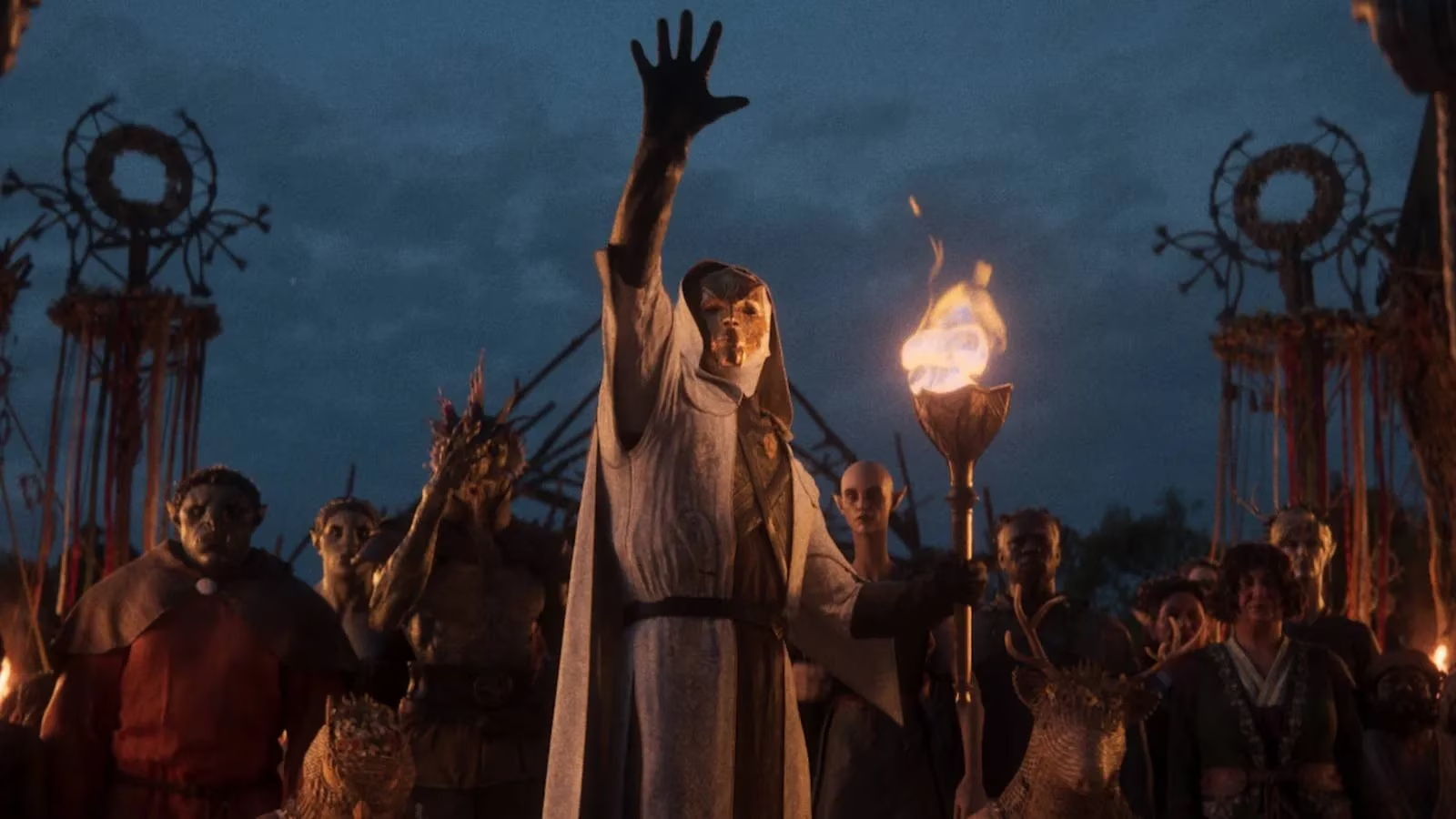
Let's talk about the elephant in the room: notoriety. Back in the day, with Baldur's Gate 3, Larian could quietly tinker in early access, gathering feedback from a dedicated core audience. It was our little secret, a project that blew up in the best way possible just before its full launch. Fast forward to now, and Divinity has no such luxury. The studio is a titan, a major player. Every move, every screenshot, every whispered rumor is under a microscope. Vincke put it bluntly: "What we’re probably most afraid of is that it’s too successful, because if that happens, then maybe people will be too disappointed." Can you imagine? Being scared your game will be too popular on day one? That's the kind of "problem" every other studio dreams of, but for Larian, it's a genuine concern about managing player expectations.
The core dilemma is this tightrope walk between access and polish. If they go the early access route, they know the drill:
-
The Good: A dedicated community shapes the game. Bugs get squashed, balance gets fine-tuned, and the final product is polished to a mirror shine thanks to real player data. It worked wonders for BG3.
-
The Bad: The spotlight is unforgiving. Mainstream players, who might not understand that "early access" means "work in progress," could jump in, see rough edges, and declare the game unfinished. The noise could drown out the constructive feedback.
On the flip side, skipping early access means:
-
A longer, quieter development cycle for us fans (the wait is always the hardest part!).
-
Losing that invaluable live-testing phase that arguably made BG3 so robust at launch.
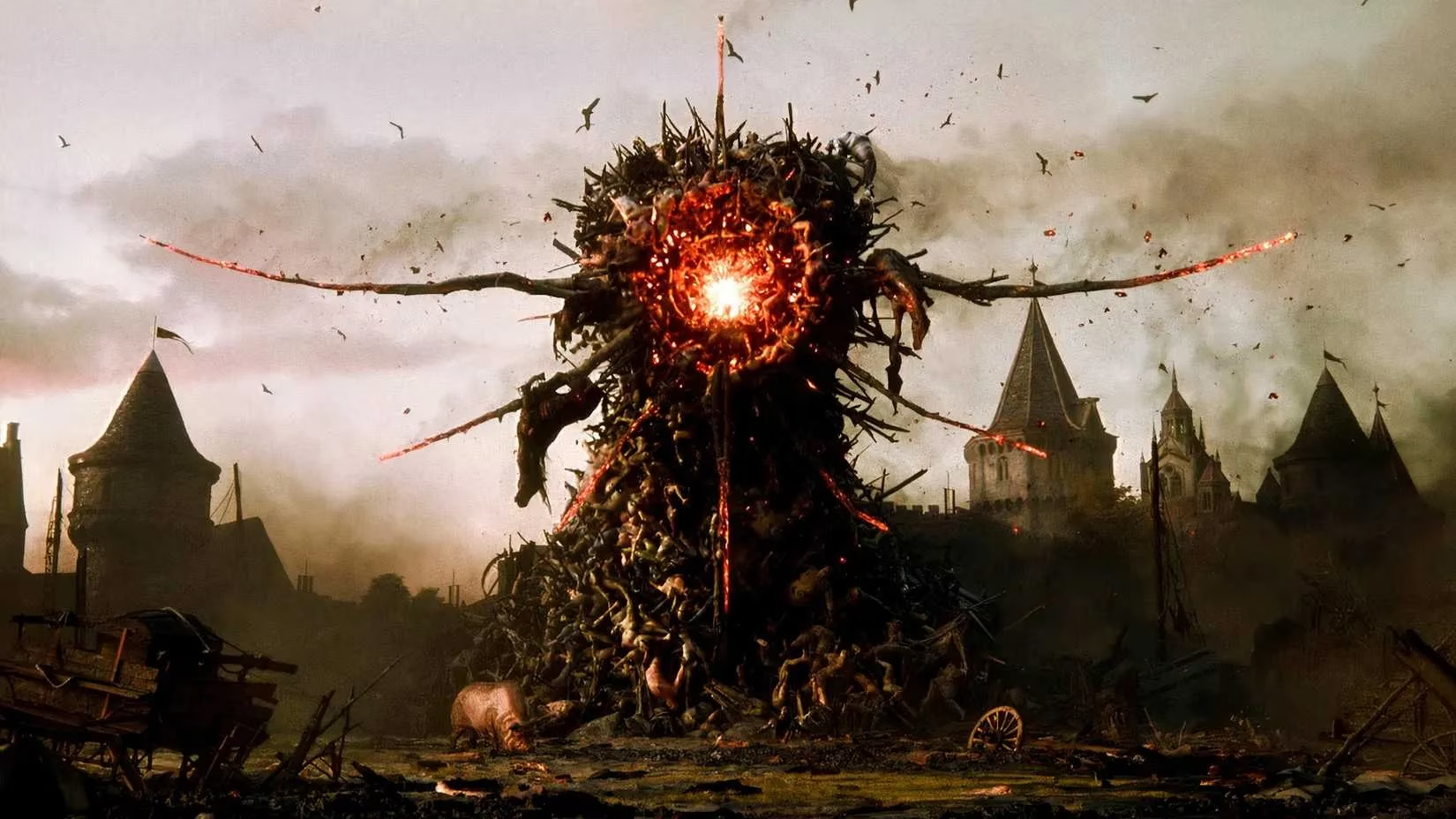
Vincke's point about wanting only the "players who are ready for the early access experience" is key. It's about finding that core group again, the ones who get it. The ones who file bug reports with a smile because they know they're helping build something special. But with the studio's fame, filtering for that audience is like trying to sip from a firehose. It's a welcome problem, sure, but a tricky one to solve.
And let's be real, while the early access debate is front and center for us, over at Larian, it's probably just one item on a massive, chaotic to-do list. The development is still in its early stages, and frankly, another topic has stolen the thunder recently: AI. Larian's admission of using AI tools in the very early, exploratory phases of Divinity's development has lit up forums and social media. The reaction has been... polarized, to say the least.
| Camp | Argument | The Vibe |
|---|---|---|
| The Defenders | Sees AI as a modern tool for brainstorming and prototyping, no different from using a new graphics engine. It's about efficiency in the idea phase. | "Tools are tools, let them cook!" |
| The Critics | Worries about the creative soul of the game, fearing over-reliance on algorithms could dilute the hand-crafted charm Larian is known for. | "Keep the artistry human!" |
This AI conversation adds another layer of complexity. It shows a studio willing to experiment, but also one navigating the fierce cultural debates of our time. It's a lot to juggle alongside the fundamental "how do we release this thing?" question.
So, where does that leave us, the players? In a funny sort of limbo. We're watching a beloved studio grapple with the consequences of its own success. The path of early access, which once felt like a scrappy, community-driven underdog story, now looks like a high-wire act performed in a stadium. Larian knows the formula, but the variables have all changed. They're trying to recapture that magic collaborative spirit while knowing that the first note they play will be heard by millions, not thousands. It's a fascinating position to observe. Part of me misses the days of stumbling upon a hidden gem in early access, but another part is thrilled to see a studio I love operating at this level. Whatever they decide, one thing's for sure: all eyes are on Divinity. The pressure's on, but if anyone has earned our cautious optimism, it's Larian. Now, we wait... and maybe keep our early access expectations in check.