
It's a chilly evening in late 2026, and I just found myself watching clips from The Game Awards 2024 again. You know how sometimes you tumble down a nostalgia rabbit hole? That's me tonight. And honestly, it still gives me goosebumps. Maybe it’s because I spent that whole night rooting for Balatro—the indie poker roguelike that had completely eaten my sleep schedule—only to watch a little robot named Astro Bot waddle onto the stage again and again. And again. I remember feeling a mix of surprise and, weirdly, relief. It wasn’t just that a game I loved was getting recognition; it felt like the entire room was being reminded of something we’d all forgotten.
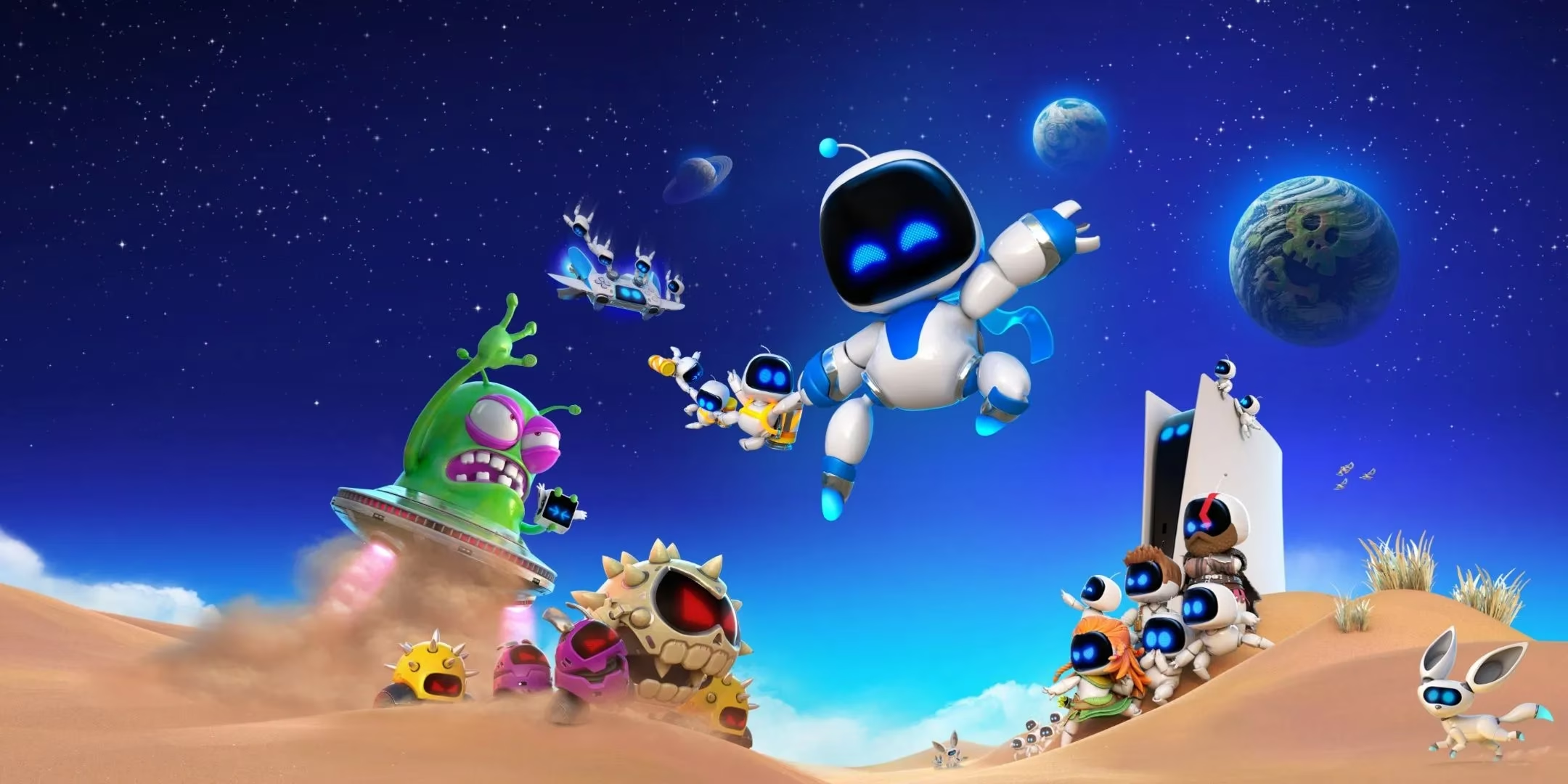
Sure, the pundits called it predictable. But I never saw it that way. In a year when the industry tripped over its own feet with high-profile stumbles like Suicide Squad: Kill the Justice League and the ghost town that was Concord, Astro Bot was a quiet supernova. It didn’t shout. It didn’t promise a million seasons of content. It just… played beautifully. The first time I guided Astro through a level, clinging to every surface texture with that DualSense controller, I actually laughed out loud. Pure joy. That’s the phrase I keep coming back to. The team at Team Asobi—roughly 65 people—poured everything they had into a platformer that felt both like a love letter to PlayStation history and a manifesto for where games need to go.
Now, two years later, I can see the ripples. The layoffs that bled our industry dry in 2023 and 2024 haven’t magically stopped, but the conversation has shifted. When I sit down with friends, we don’t groan about another cancelled live-service project as often. Something changed when Astro Bot clutched that Game of the Year trophy, especially after Swen Vincke’s speech about trusting developers. You could see the tears on Nicolas Doucet’s face. That wasn’t a rehearsed corporate smile; it was a human being who had been allowed to create. And we, the players, recognized ourselves in that unguarded moment.
I’ve thought a lot about what made that game so special. It has only a handful of buttons. No battle pass, no shop, no FOMO. Its six post-launch levels? All free. It respects your time so much that it’s perfectly happy to let you reach the credits and walk away. I’ve recommended it to every single friend who bought a PS5 over the past couple of years. It’s my go-to housewarming gift for console owners, in a manner of speaking. It distills why so many of us fell in love with games in the first place: losing yourself in a world that feels incredible under your thumbs.
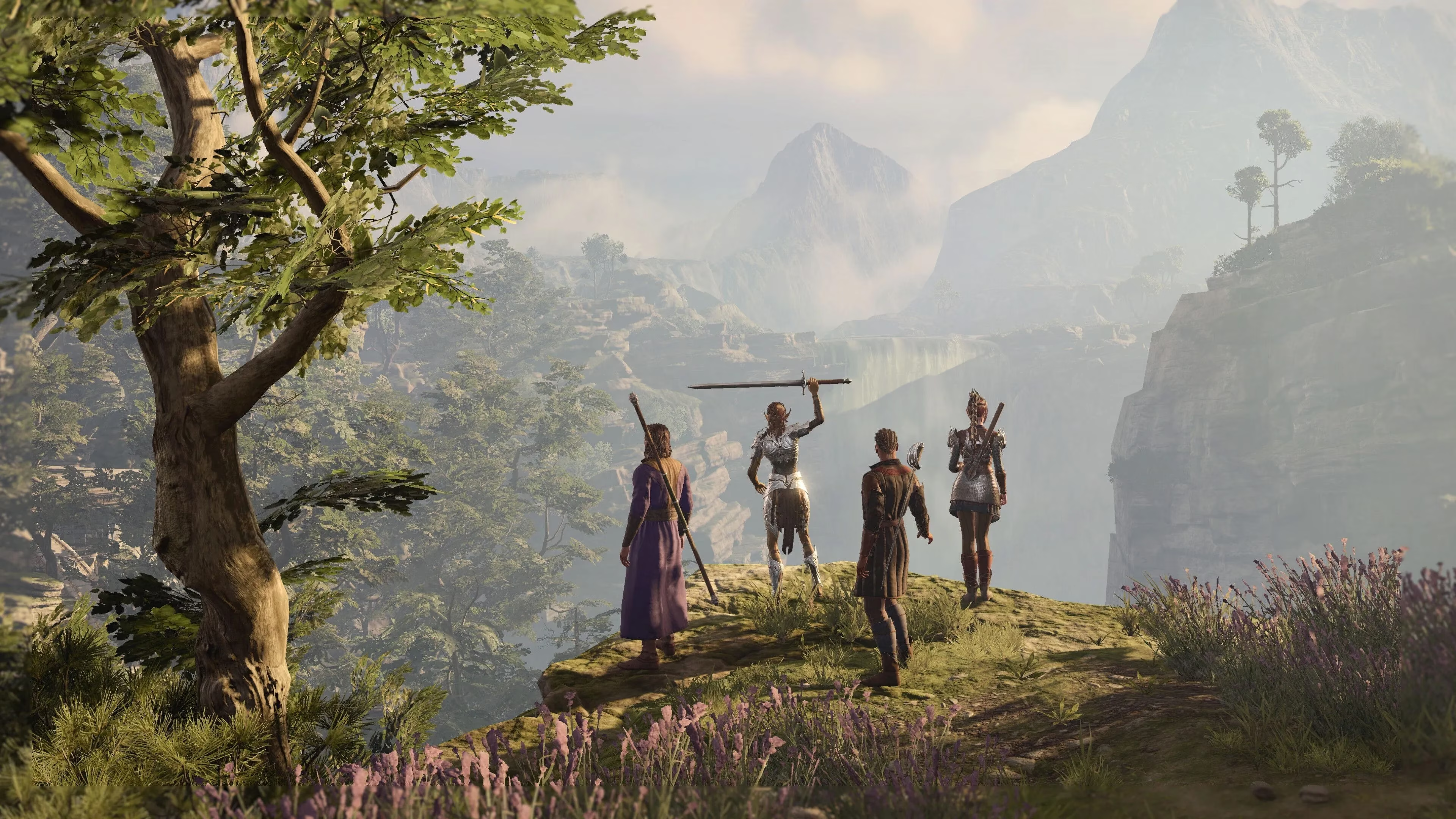
Yet it’s the comparison with 2023’s phenom Baldur’s Gate 3 that really drives the lesson home. Back then, Larian Studios also scooped up Game of the Year, proving that an early access RPG made with love, patience, and a fierce dedication to player agency could captivate millions. It wasn’t built to chase a trend; it was built to tell a story. When I rewatch those speeches, it’s the same raw enthusiasm. Developers walking on stage not because a marketing department crafted a perfect sentence, but because they were genuinely proud of the art they had made. That double whammy—Baldur’s Gate 3 in 2023 and Astro Bot in 2024—should have been a blazing signal to the entire industry.
So here we are in 2026. Have things improved? I’m cautiously optimistic. I’ve seen a few more publishers greenlight smaller, focused projects that aren’t trying to be the next forever game. Studios are beginning to talk openly about sustainable development and trusting their teams instead of chasing tired trends. But the system that prioritizes endless growth over artistic integrity hasn’t been toppled. I’m not naïve. Yet every time I see a new game that wears its heart on its sleeve—something that could only be made by a tight-knit team given freedom—I nod toward that little robot. He did more than win trophies. He reminded an entire medium that fun, quality, and sincerity aren’t just nostalgic pipe dreams. They’re the only things that ever actually work.